In the single-shaft arrangement described by AMIS, final grain size depends on rotor knife dimensions and the screen beneath the rotor. SSI Dual-Shear M85 output consists of cutter-width strips, usually 25 - 76 mm (1 - 3 in).
For batch-fed corrugated sheets, compare the feeding arrangement and the output requirement together. Use the manufacturer examples below to frame your shortlist, then ask for a trial with your own board. Start with the cardboard shredders collection if you are still defining the intended output.
Compare output controls before choosing the shaft arrangement
Choose the comparison around your acceptance question: do you need to select a screen, specify a strip width, or assess the length of the collected pieces?
| Decision | Screened single-shaft proposal | Double-shaft proposal |
|---|---|---|
| Output requirement | Request the proposed screen and rotor-knife configuration. | Request the proposed cutter width and an output sample. |
| Corrugated feed | Describe the sheets, folds and batch presentation for the trial. | Describe the same sheets, folds and batch presentation. |
| Acceptance | Record the collected piece dimensions alongside the screen designation. | Record strip width and length separately alongside the cutter designation. |
| Interruptions | Ask for a record of feeding pauses and reversals. | Ask for the same record under the agreed feed conditions. |
How does the screened single-shaft arrangement work?
In the AMIS hydraulic-pusher arrangement, the pusher feeds material to the rotor for shredding between rotor knives and stator blades. Motor current controls that hydraulic pusher according to load.
GEOR DING’s single-shaft product family uses a replaceable screen to customize final particle size. SSI Uni-Shear SR300 interchangeable screens allow cleaning and particle size adaptation.
For screen selection, put the hardware specification beside the output you want to accept. Use the following catalog example as a configuration reference when preparing your questions.
| Manufacturer example | Screen specification | Trial question |
|---|---|---|
| SSI Uni-Shear SR300 | Available screen sizes: 12-150 mm (1/2-6"). | Which screen is proposed for our board, and what collected output will be submitted for acceptance? |
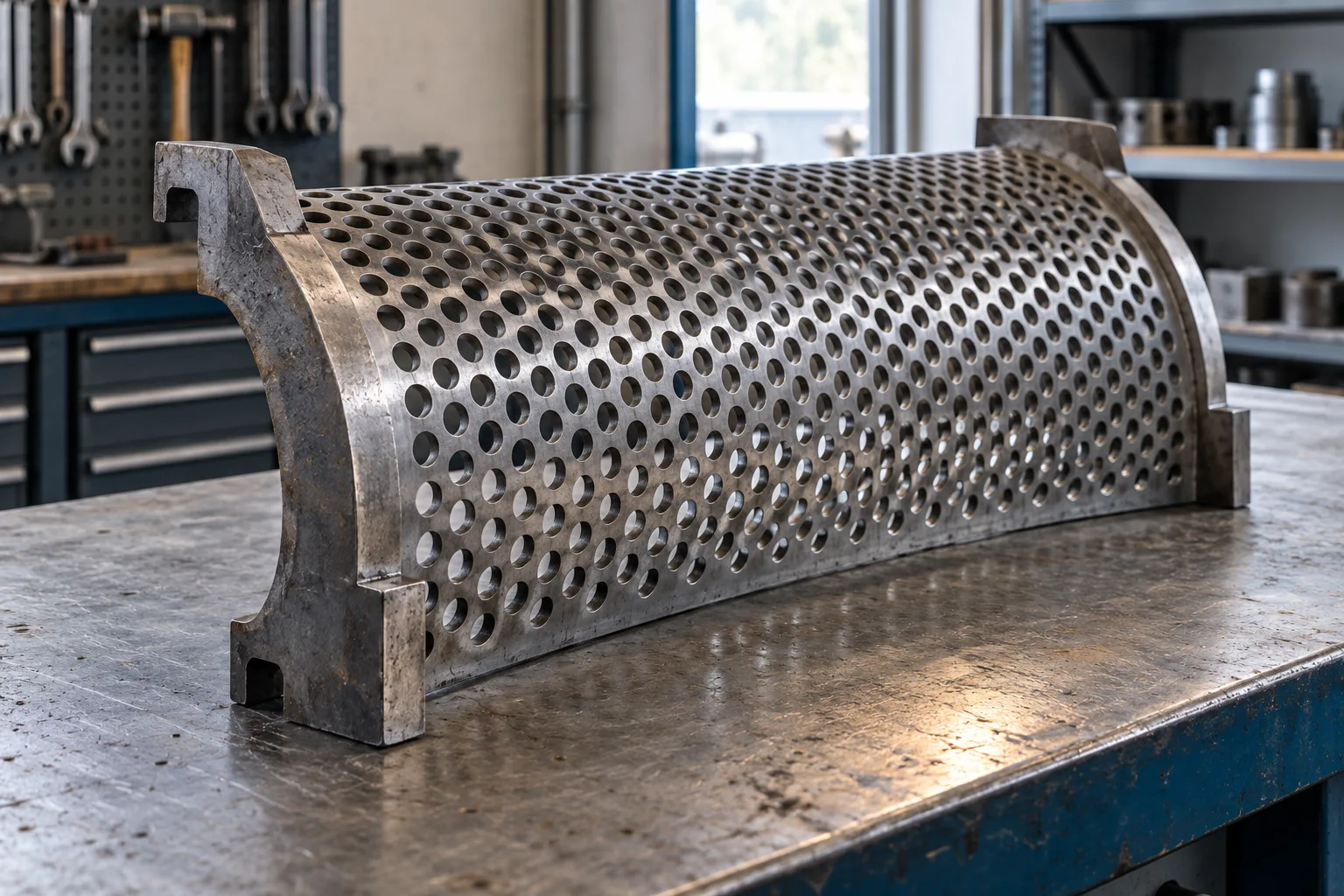
Ask for the screen identification, rotor-knife configuration and sample collection method in the trial proposal. Specify the dimensions you want recorded, including long pieces. Keep those observations separate from the screen designation when comparing proposals.
What controls strips in the double-shaft example?
SSI Dual-Shear M85 is a low-speed, high-torque, two-shaft rotary shear shredder. M85 is used for primary shredding where particle size variation is acceptable.
In SSI’s Dual-Shear plastic and product-destruction examples, output has cutter-thickness sizing and inconsistent lengths.
For your corrugated-board trial, make strip width and strip length separate acceptance questions. Ask to see the collected output laid out for inspection, and retain the sample with its machine configuration. Decide in advance what output your next handling step will accept.
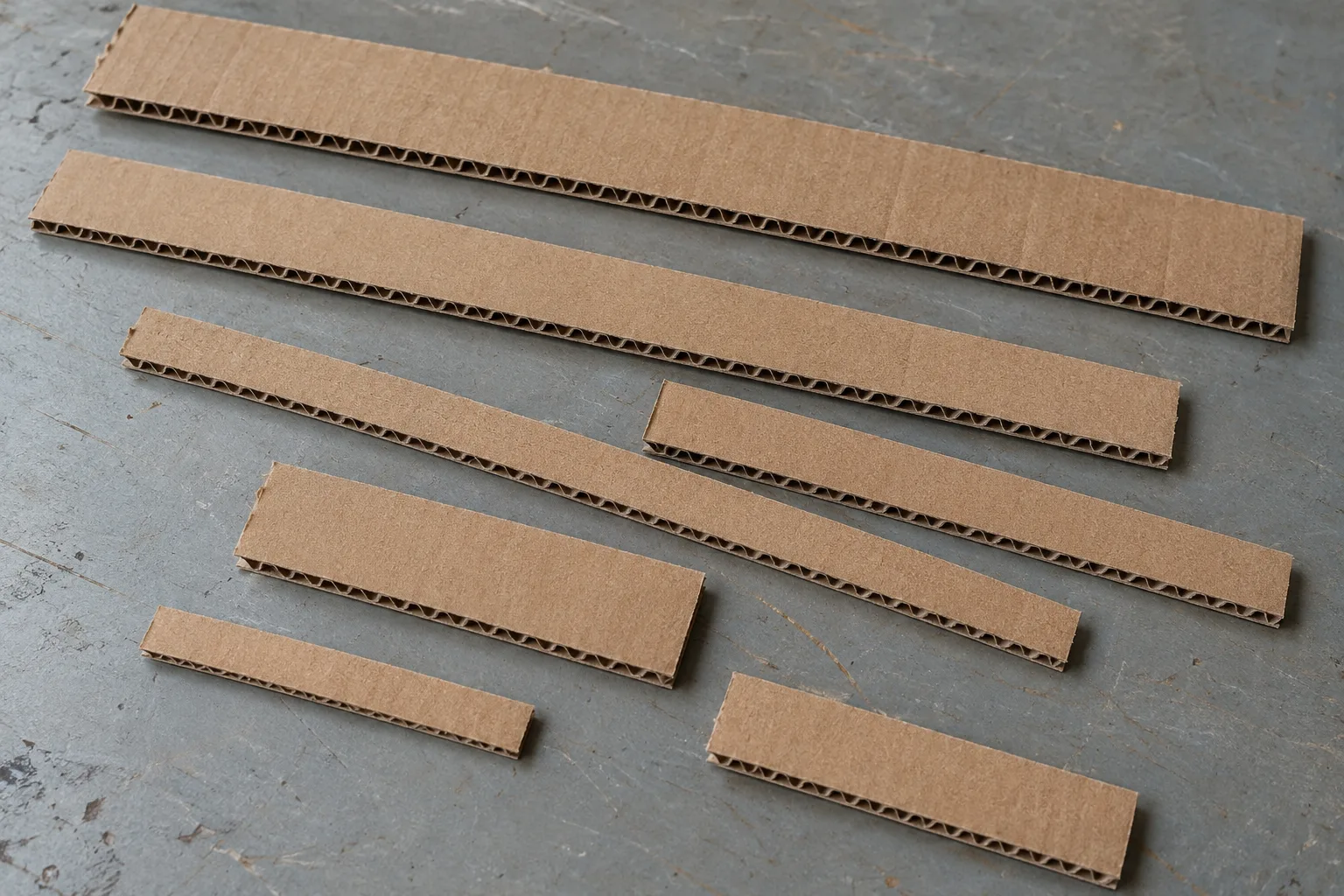
Avoid choosing by the shaft label alone. Compare the proposed configuration against your output requirement, and ask for the exact cutter designation in the trial record.
How should you compare feeding and reversals?
In SSI’s industrial paper and mill waste application, Dual-Shear machines can be bulk fed large, thick slabs and bales.
For your corrugated batch, describe sheet dimensions, board construction, folds, condition and presentation. Ask whether the trial will use your intended batch arrangement. Include photographs of the incoming material in the request, and agree how pauses and unsuccessful feeds will be recorded.
SSI states that its shredders automatically reverse operational direction when necessary. That automatic reversal helps reorient material for gripping and processing. After a preset number of unsuccessful processing attempts, the controls stop the shredder and trigger its horn.
Verify separately whether the drive drivetrain includes mechanical or fluid-coupling shock-load protection, since automatic rotor reversal is a feed-reorientation control rather than a drivetrain overload clutch.
Ask separate questions about automatic reversal, the stopping sequence and drive protection. Request the model’s operating instructions with the proposal. For ongoing event records, use the cardboard shredder maintenance guide.
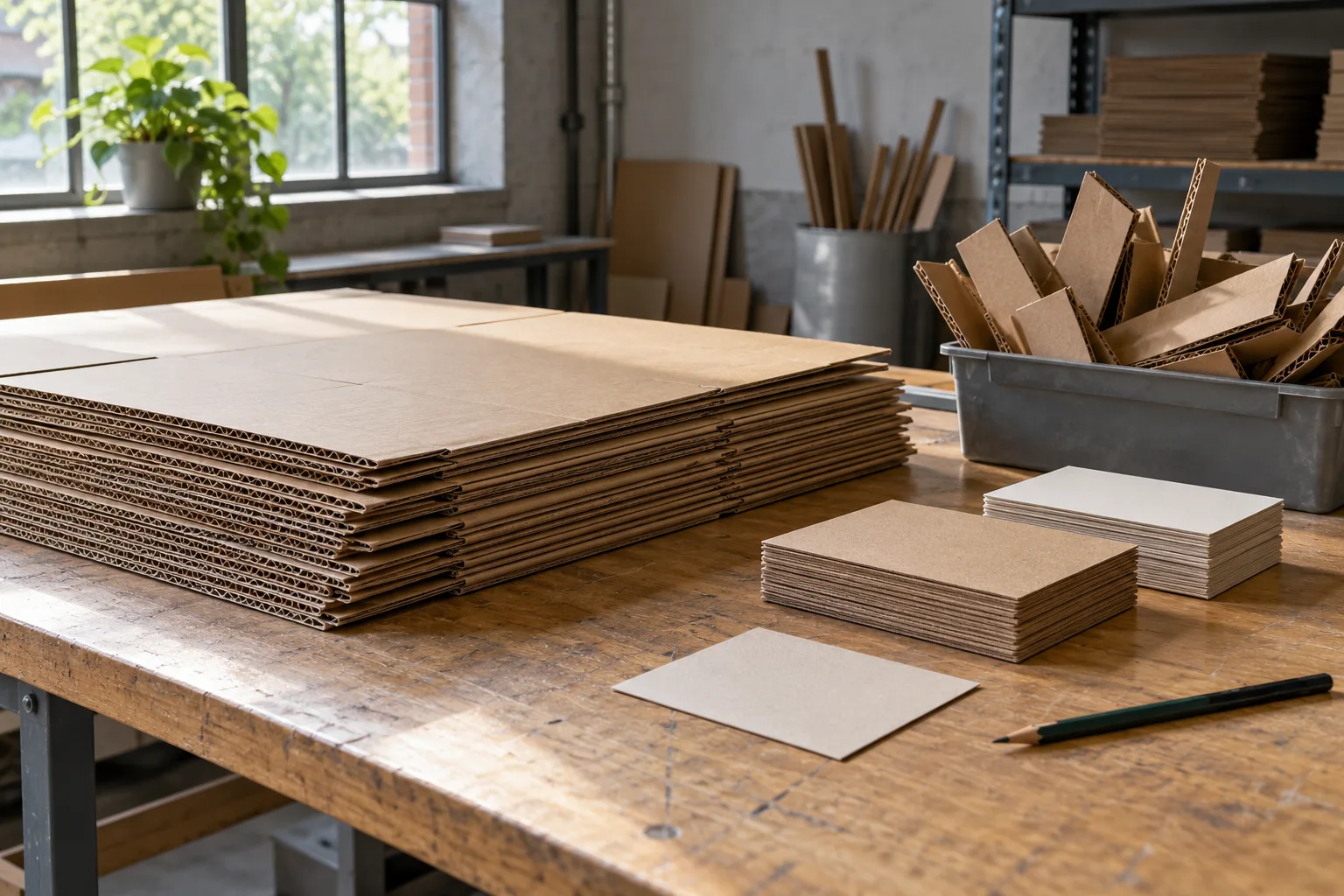
Turn the comparison into a trial brief
Send the same brief with each proposal request. Keep the acceptance questions specific to your corrugated material and the next handling step.
- Describe the incoming sheets, folds, condition and intended batch presentation.
- State the desired collected output and which dimensions you want assessed.
- Request the proposed screen, rotor-knife or cutter configuration as applicable.
- Agree how to collect and identify output samples.
- Request a record of feed pauses, reversals and stops alongside each sample.
- Ask for the operating instructions and the proposed discharge arrangement.
Review the samples against your agreed acceptance criteria before choosing the configuration. Keep the completed brief and samples together for the purchasing decision. To revisit the broader output choice, read cardboard shredder vs perforator.
Sources
- AMIS — Single shaft shredders
- GEOR DING — Single shaft shredder
- SSI — Uni-Shear SR300
- SSI — Dual-Shear M85
- SSI — Dual-Shear Solutions
- SSI — Industrial Paper and Mill Waste
- SSI — Shredding Technology