Repeatedly clearing a stoppage without recording its conditions can hide a recurring feed or equipment problem. Keep a fault log that links the material, operating state and response to the exact machine manual.
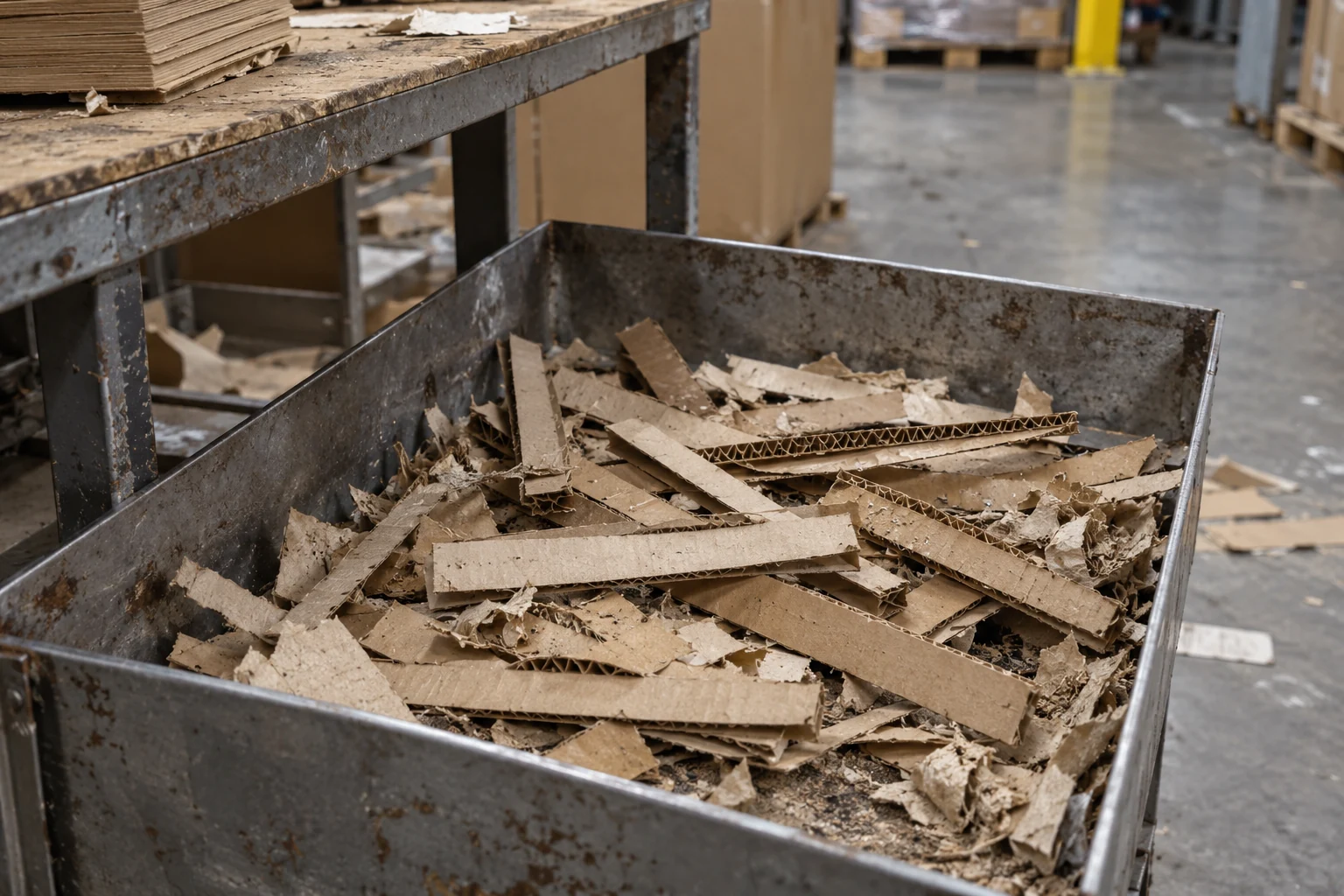
Use the manufacturer’s procedure for the installed model, and separate routine observation from work requiring authorized service. Record what happened before deciding why it happened. A useful maintenance log supports diagnosis without turning a general article into an improvised repair instruction.
Establish which instructions govern the machine
Collect the type-plate identification, manual edition, accessory list and service contacts. A manual for another electrical variant or generation may give an unsuitable procedure. Resolve a missing manual with the supplier before assigning operation or maintenance tasks.
For example, the P425 manufacturer manual, edition 02/2020, limits service work to HSM customer service and its contract-partner service engineers in the English safety section. Its cleaning section says to switch off and disconnect the power plug. These model-specific statements illustrate why a generic “weekly oiling” schedule is an inadequate substitute for the actual instructions.
Record symptoms without guessing a cause
An infeed obstruction, an overload condition and a machine that will not start may require different responses. Preserve the actual indication and the sequence that preceded it. Do not translate every stoppage into “blades blunt” or “operator error.”
| Log field | Useful detail |
|---|---|
| Event | Date, time, operator and machine reference |
| Material | Board type, condition and recent change |
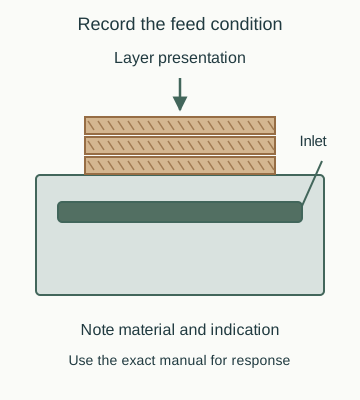
| Presentation | Layers and feed arrangement as observed |
| Indication | Exact display, lamp or symptom |
| Preceding action | Replenishment, adjustment or mode change |
| Response | Authorized procedure followed and person involved |
| Result | Restart condition, recurrence or service escalation |
| Affected output | Material or packs held for review |
Record observations from a safe position. The log does not authorize reaching into an inlet, opening guards or bypassing an interlock.
Keep jam response tied to the manual
The P425 manual’s troubleshooting section distinguishes excessive cardboard thickness from overloading and advises service escalation if problems persist. Do not copy its control sequence to another machine. Use the instructions supplied for the actual configuration and the site’s applicable isolation procedure.
If a fault recurs, stop treating the clearing action as a complete fix. Compare events by board condition, layer presentation and recent equipment changes. Give service personnel the record and photographs that can be taken safely without exposing a hazard.
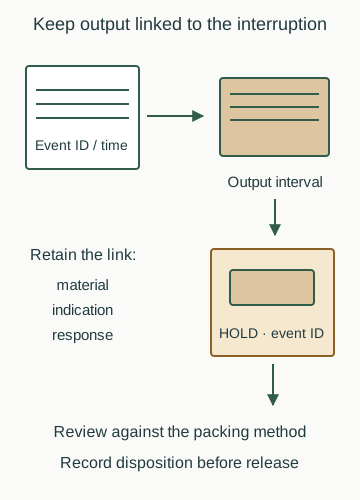
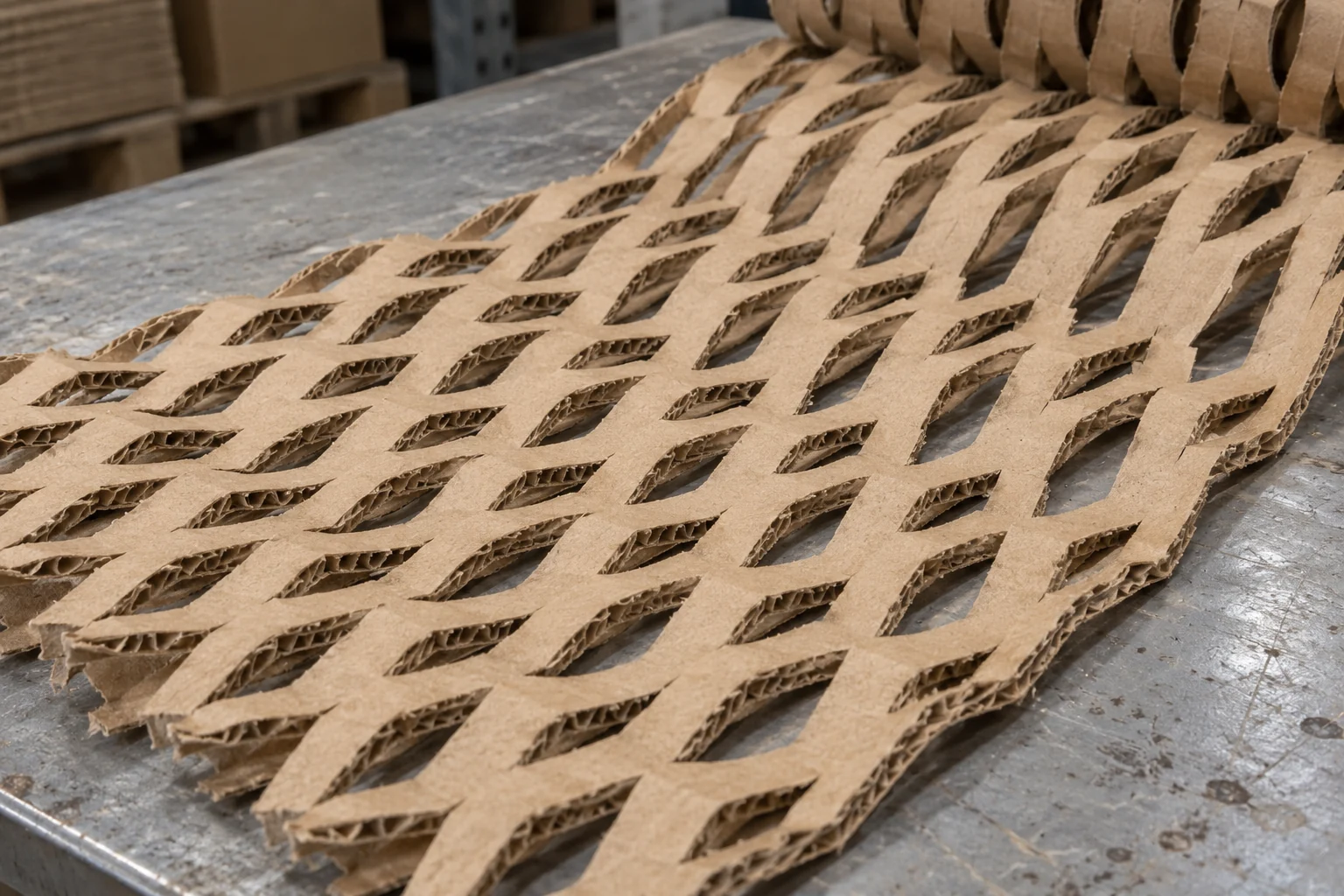
Inspect the resulting material against the packing method after a significant interruption or change. Damaged or inconsistent output may need to be held even if the machine runs again. The cushioning packout guide explains the acceptance boundary for the finished package.
Plan cleaning and maintenance from documented tasks
Create a task list by copying the task reference, responsible role and timing basis from the actual manual or service plan. Where it specifies a condition rather than an interval, keep that condition visible. Add local housekeeping responsibilities without presenting them as manufacturer-approved internal maintenance.
Do not introduce a lubricant, solvent, compressed-air cleaning method or replacement part because it is common on another shredder. Obtain model-specific guidance. Record consumable identity and any service work so a later fault can be evaluated against the change history.
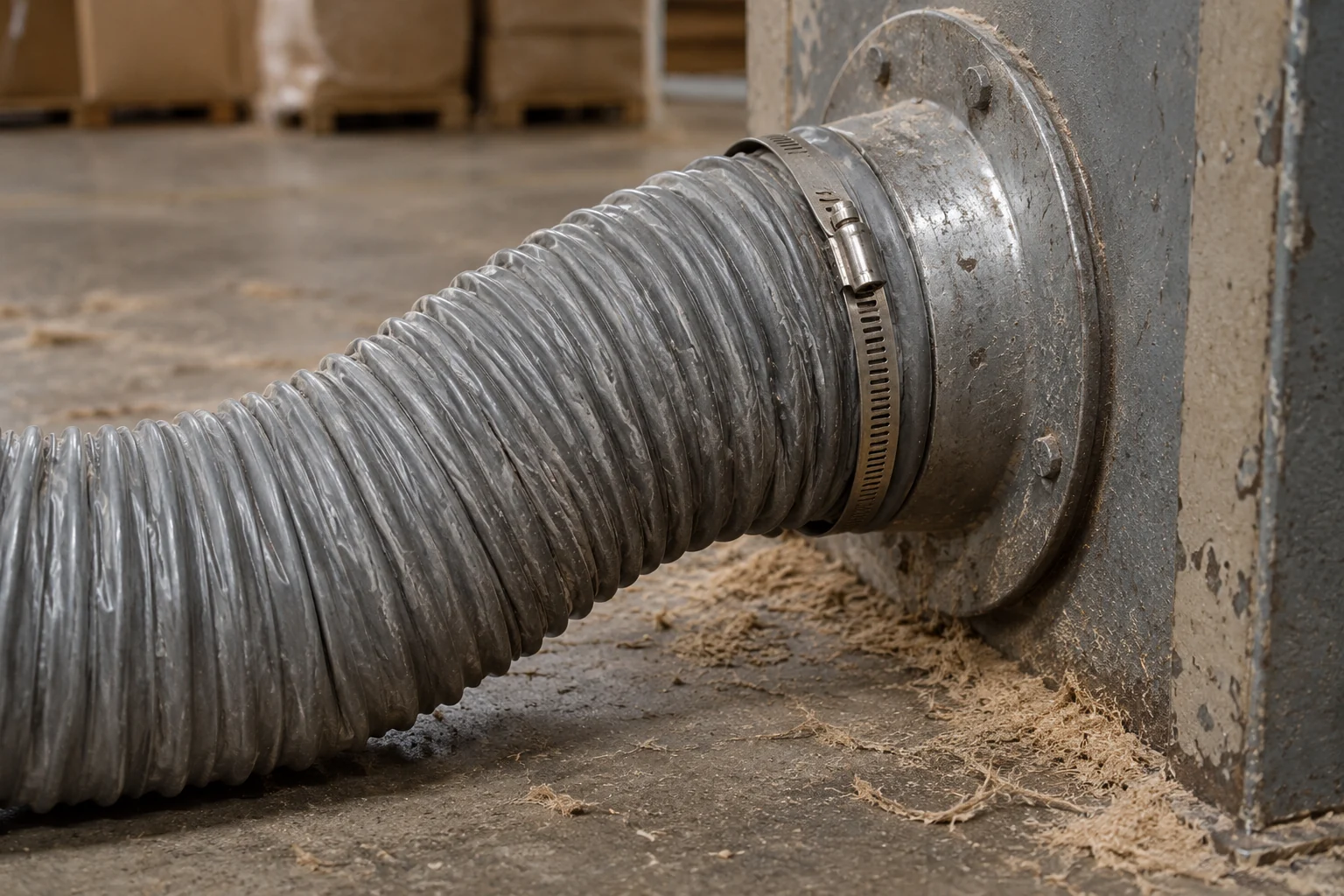
For machines using extraction, include its own collection and filter instructions and the installed configuration. Use the dust-extraction interface record to keep the machine and extractor documentation connected.
Close the event with evidence
Record the service decision, any replaced parts, the authorized return-to-operation checks and who released the equipment. Keep unresolved symptoms open. Track repeated events over a consistent period before assigning a cause or claiming that a repair eliminated it.
Method and scope
This is an editorial record system, not a maintenance schedule or repair manual. The limited P425 examples come from the archived original manufacturer document. No lubrication interval, spare-part compatibility or universal fault procedure is inferred. Return to cardboard shredders for selection and installation context. Updated October 2026.