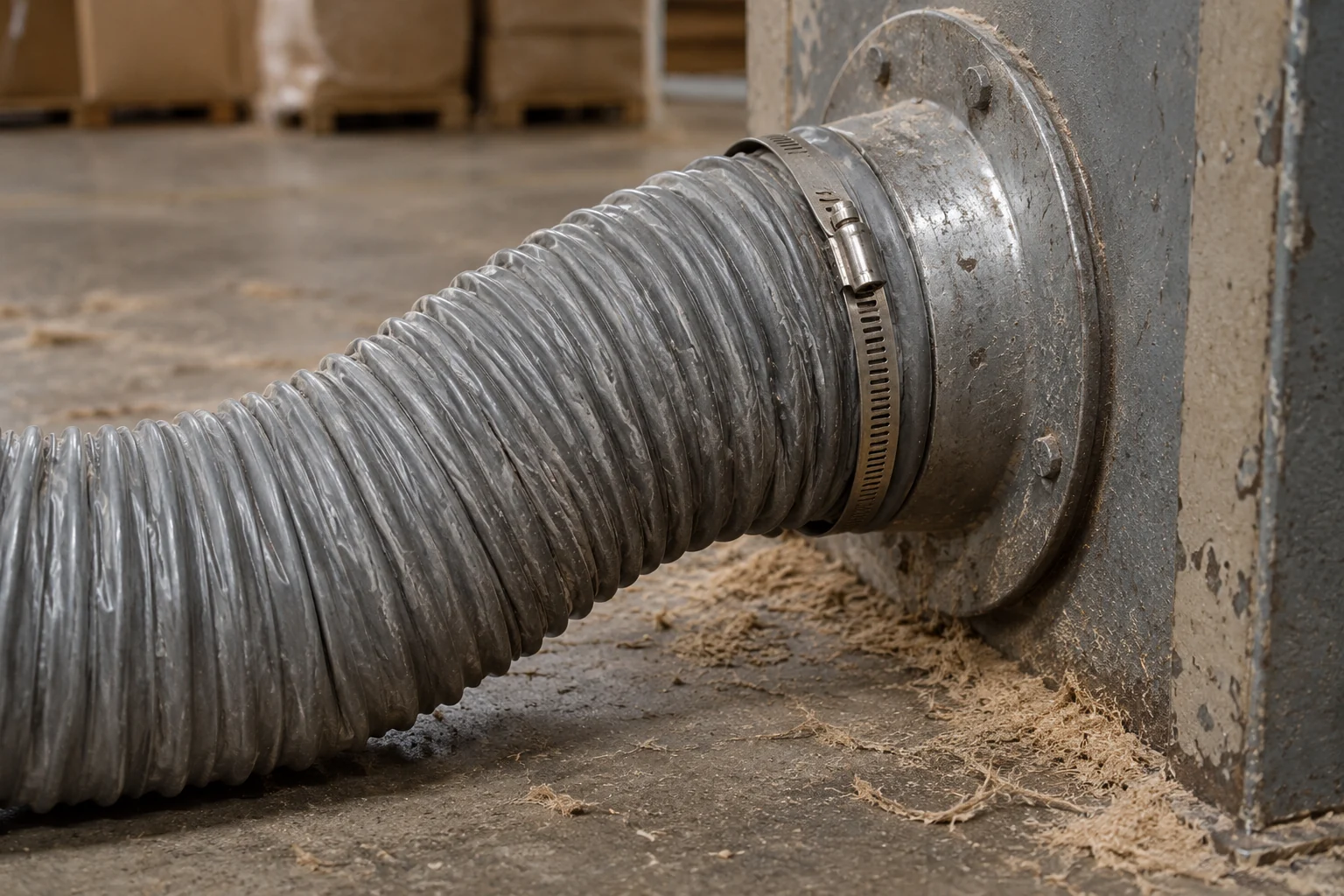
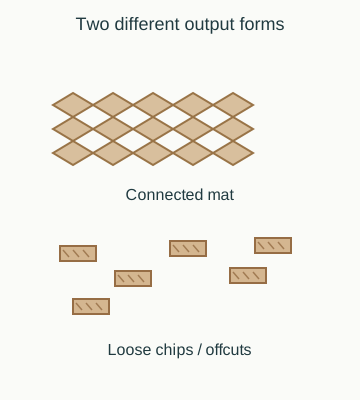
A machine called a cardboard shredder may produce loose pieces or a connected mat. Ask for the output form before deciding whether it can fill a cavity, wrap a product or fit the packing station.
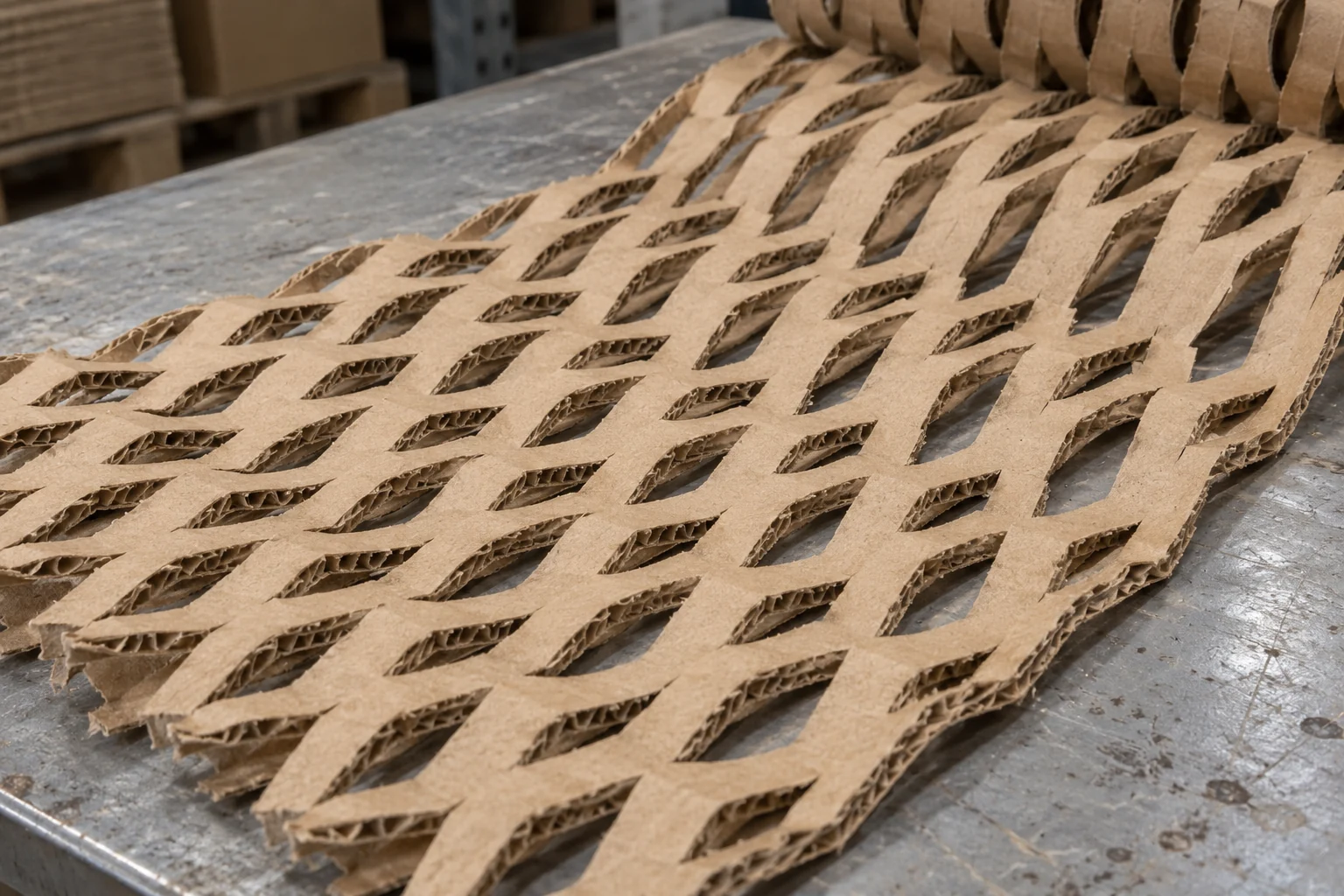
Choose a perforated mat when you need a connected sheet that can open and conform around an object. Evaluate loose output for filling and containment tasks where separate pieces are practical. Confirm the result with your board and packout; the machine name alone does not establish protective performance.
Compare output rather than product labels
HSM’s ProfiPack overview separates flat or bolstered mats from the C400/P425 and chips from its ecoChip equipment. That is a documented difference within one manufacturer’s range. Other suppliers may use “shredder” or “perforator” differently, so compare physical samples rather than assuming consistent terminology.
| Decision factor | Connected slit/perforated mat | Loose shredded or chipped output |
|---|---|---|
| Handling | Can be moved as a sheet or folded piece | Needs a bin, scoop or controlled transfer |
| Packing task | Candidate for wrapping and shaped placement | Candidate for filling spaces where loose pieces are acceptable |
| Containment | Connected structure may simplify retrieval | Consider escaping pieces and unpacking cleanup |
| Fit at bench | Allow room for sheets and any expansion | Allow storage and dosing of loose material |
| Protection evidence | Test the actual folded or expanded packout | Test the actual fill distribution and settling |
This is a public-document comparison of output forms, not a test ranking. A mat can also fill spaces, and loose output can contribute to restraint. Those roles need pack-specific evidence.
Start with the incoming cardboard
Bring typical used cartons, including creases and the grades commonly received. Separate material that the exact machine manual excludes. Do not treat a paper shredder as suitable merely because it accepts thin cardboard occasionally.
The P425 operating manual, edition 02/2020, identifies cardboard-padding production as the intended use and describes perforating and padding arrangements. Its feed and operating instructions apply to that documented configuration, not to all machines sold under a similar label.
Record how much incoming material becomes useful output and how much needs preparation or rejection. A narrow clean sample is insufficient if routine cartons arrive with incompatible contents or require extensive handling.
Test the output inside the intended carton
Prepare the same product and carton with each candidate output. Record the material amount, placement sequence, time to pack and finished parcel dimensions. Check whether an operator can reproduce the arrangement without relying on the demonstrator’s judgement.
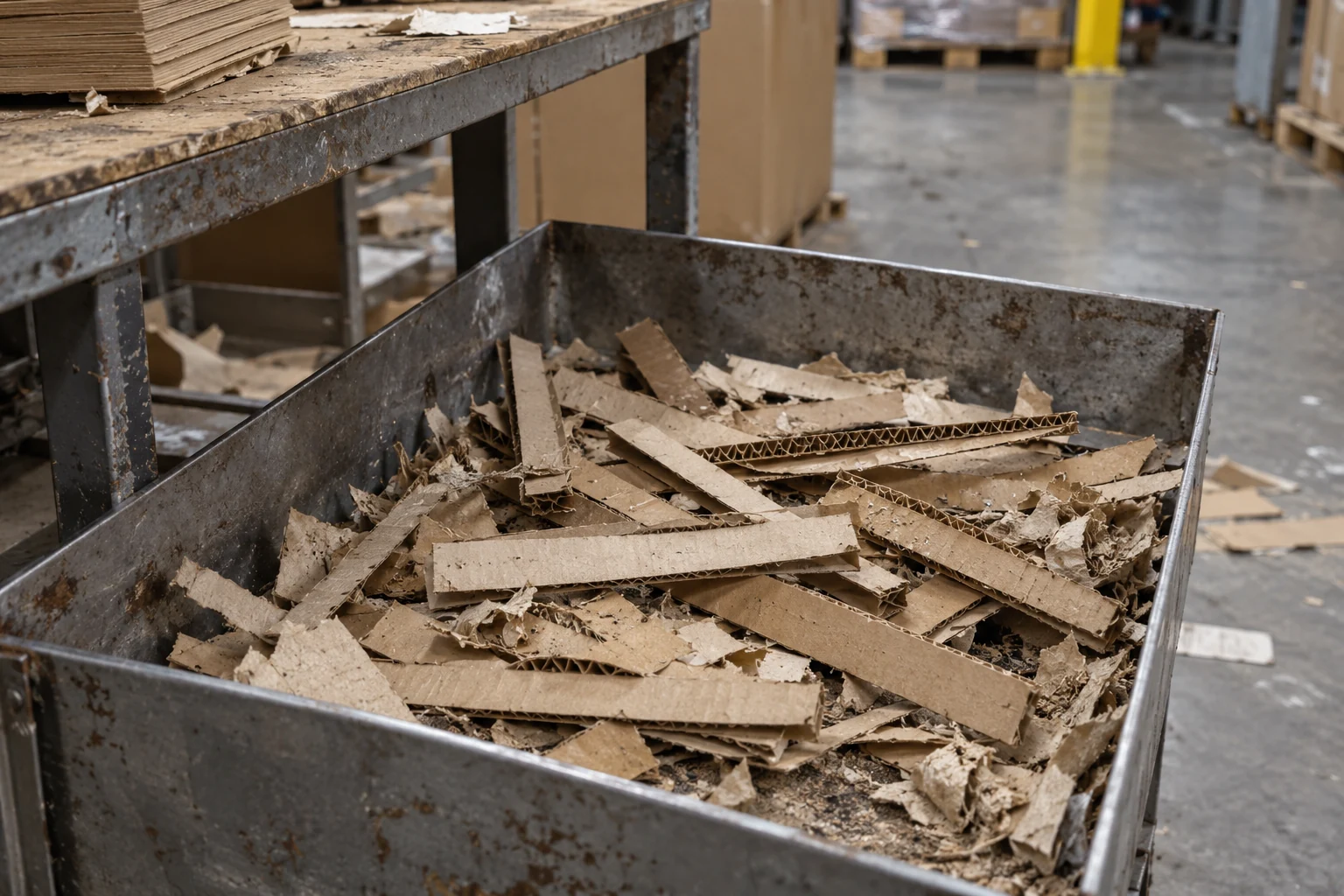
Observe where loose pieces go during transfer and unpacking. With a connected mat, check whether folding or expansion produces the required shape without forcing the carton closed. Avoid interpreting a tidy appearance as evidence of shock or vibration protection.
Use the cushioning validation guide to define the product’s damage criteria and test basis. If one method needs a larger carton or substantially more preparation, include it in the reuse cost worksheet.
Keep a sample-trial record
Record the incoming board source and condition; machine model and configuration; output sample photographs; usable yield; packing method; operator time; rejected material; storage requirement; product and carton reference; acceptance evidence. Preserve a representative output sample with the record if practical.
Compare the options on the same shipment mix. A method that works for a rigid component may be unsuitable for a fragile product with an unsupported projection. A workstation that produces useful material faster than packers can use it also needs a storage and handling plan.
Sources and scope
The output distinction comes from HSM’s public overview and archived manufacturer manual. Packing choices and trial records are editorial recommendations. No universal cushioning rating, machine speed, extraction performance or recycling acceptance is claimed. Explore the cardboard-shredder collection for installation and maintenance questions. Updated October 2026.