An outlet or hose does not establish effective dust capture. Confirm the exact perforator configuration, approved connection and extraction requirements before arranging the work area.
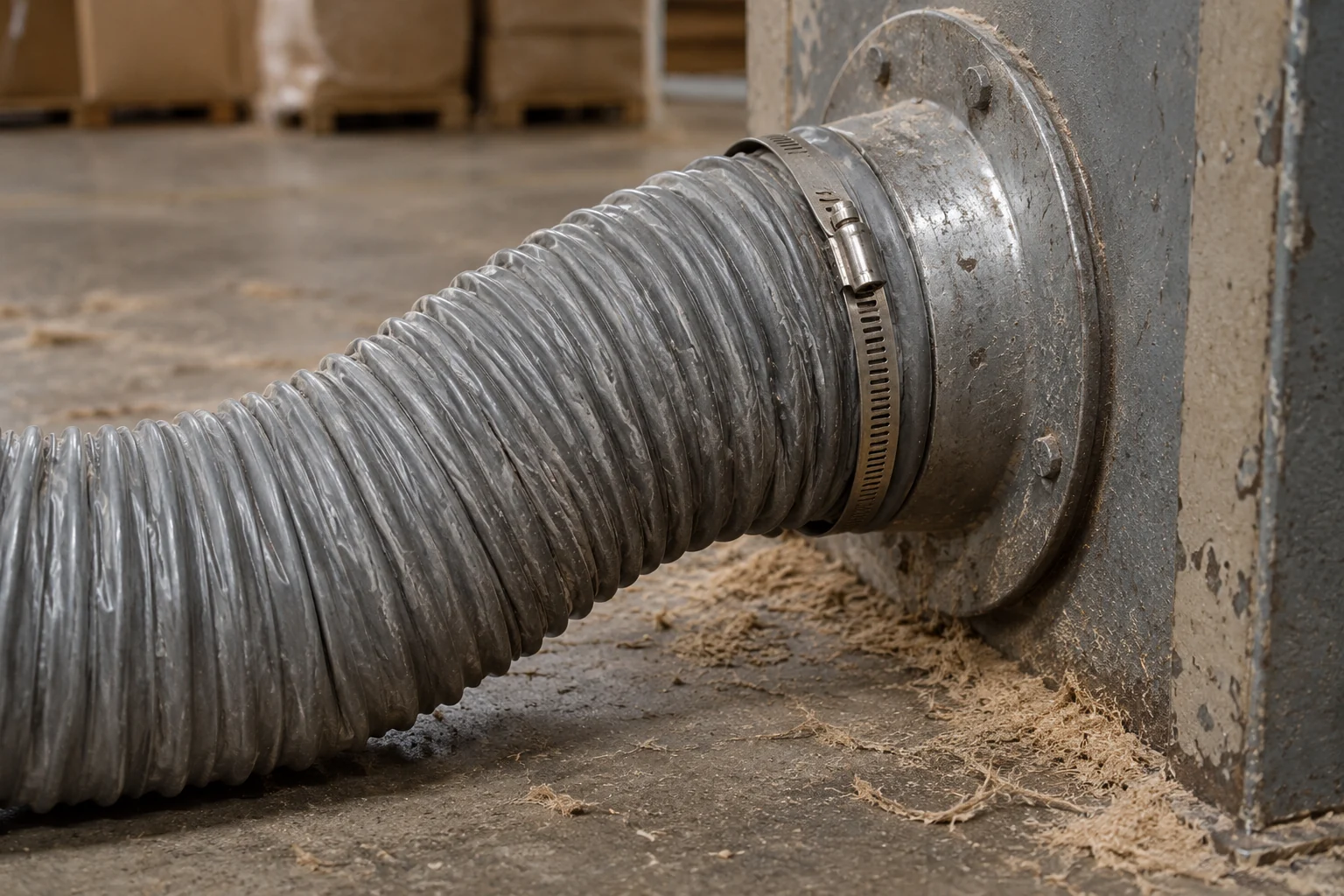
Start with the machine manual and installed accessory list. Establish what the connection serves, which extractor the manufacturer supports and how its performance will be checked. A tidy hose connection can be inspected visually; exposure control and system suitability need a separate technical assessment.
Identify the installed configuration
The HSM ProfiPack P425 manual, edition 02/2020, shows an optional dust-collector connection in the overview on printed page 11. Printed page 12 describes an optional apparatus with a right-side connection and the possibility of fitting components later. That is evidence about this manual’s configuration, not proof that every P425 or another model has the same installed interface.
Match the manual to the type plate and supplied documents. Photograph the connection and record the accessory part reference from the actual installed equipment. Ask the manufacturer to resolve missing or conflicting documentation before specifying an improvised adapter.
| Interface field | What to obtain | Why it matters |
|---|---|---|
| Machine identification | Model, variant and serial reference | Similar names can hide different configurations |
| Extraction apparatus | Installed or retrofit accessory details | A housing opening may not be the required assembly |
| Connection | Manufacturer drawing or confirmed specification | Avoid selecting a hose by appearance |
| Extractor | Supported configuration and operating requirements | Establish a complete system rather than a hose alone |
| Consumables and service | Filter, collection and maintenance instructions | Capture depends on continuing condition |
| Verification | Agreed commissioning observations or measurements | Define how acceptable performance is established |
Route the hose around the actual work
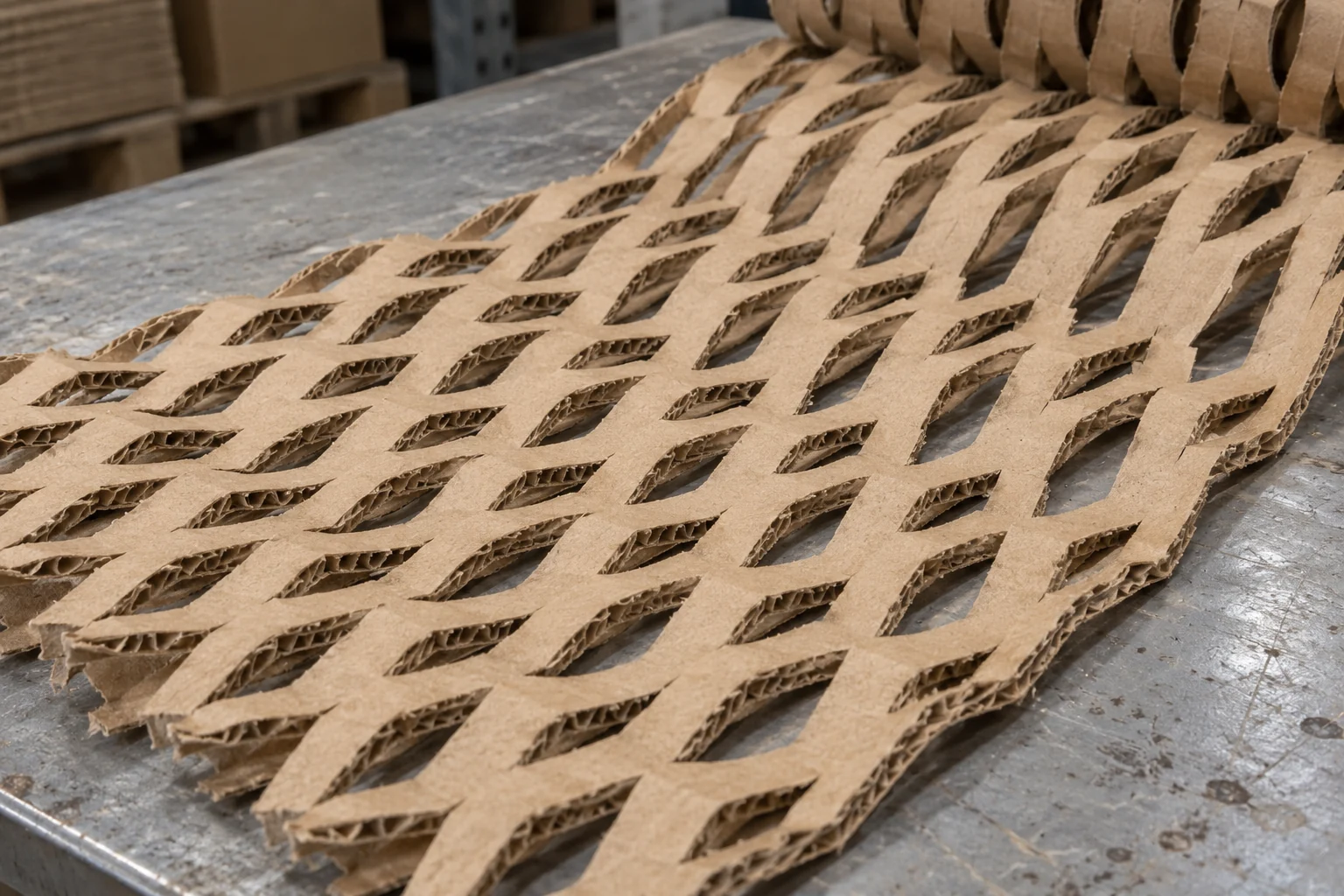
Leave access for cardboard staging, feed presentation and outgoing padding. Route hoses so operators and carts do not routinely cross them, without obstructing the machine’s access or ventilation requirements. Confirm any bend and length restrictions with the extraction-system documentation.
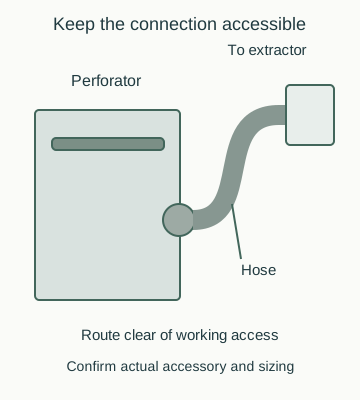
The layout is an editorial relationship sketch, not a duct-design drawing. It supplies no airflow, pressure-drop or hose-diameter value. A system designer needs the manufacturer’s requirements and the actual installation before determining those details.
Include board handling in the assessment
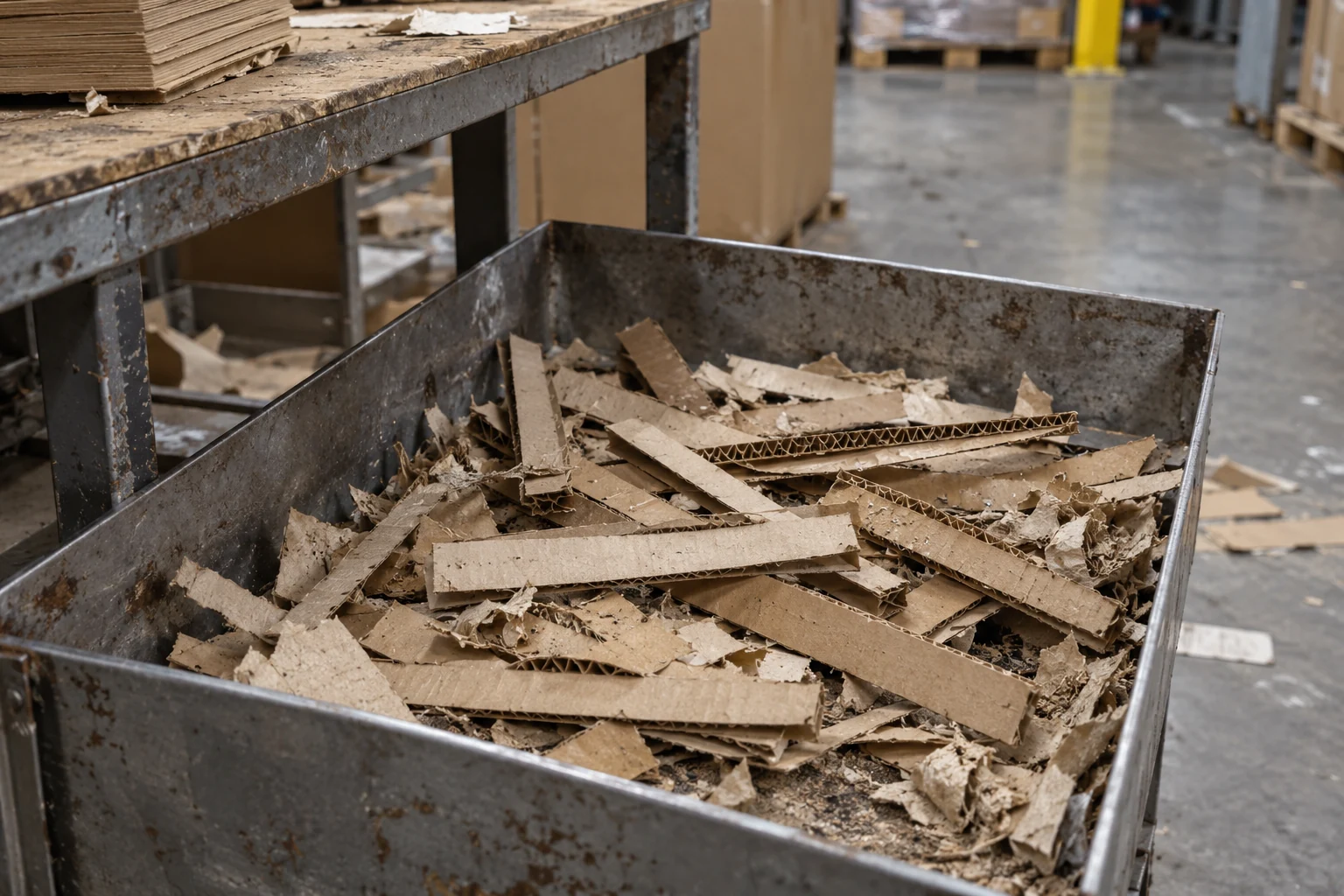
Sorting, trimming, moving output and emptying collection equipment can also disturb fibers. Observe the whole activity rather than looking only at the cutting interface. Record where visible dust accumulates and when it appears, including cleanup and material transfer.
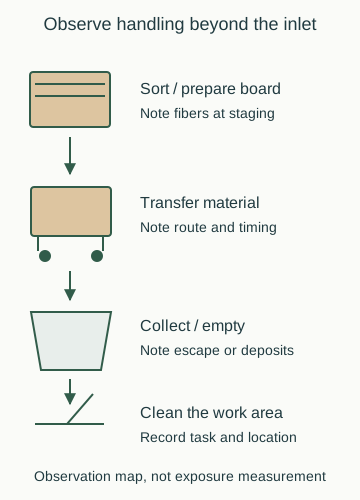
A visible-dust observation is useful for finding a problem, but absence of visible dust does not establish acceptable exposure. Ask a competent occupational-hygiene professional to determine what assessment is needed for the material, tasks and jurisdiction. This guide does not assign an exposure limit or claim that a particular filter class establishes compliance.
Agree commissioning and fault responses
Before routine use, confirm the connection is secure and the documented extractor is operating as required. Keep the supplier’s commissioning record with the configuration details. Record the baseline condition that operators can observe without opening guards or entering hazardous areas.
Define who responds to loss of extraction, a damaged hose, abnormal dust escape or a full collection container. Use the equipment’s own stopping, isolation and service instructions. Changing the hose, collector or filter can change the system; preserve the revised configuration and any required reassessment.
Keep a concise interface record
Retain the model/manual match, accessory and extractor references, hose route, commissioning method, observations, service responsibility and unresolved questions. A purchase description that says only “dust extraction included” leaves several of those decisions unanswered.
The maintenance log guide helps capture recurring faults. The shredder-versus-perforator guide helps confirm the material-production task before planning the installation.
Sources and limits
The model-specific interface statement comes from the archived manufacturer manual. Workstation layout and record fields are editorial proposals. This is not an extraction sizing calculation, occupational exposure determination or installation approval. See cardboard shredders for the related selection questions. Updated October 2026.